What Documentary-Style Wedding Videography Really Means (And Why I Film This Way)
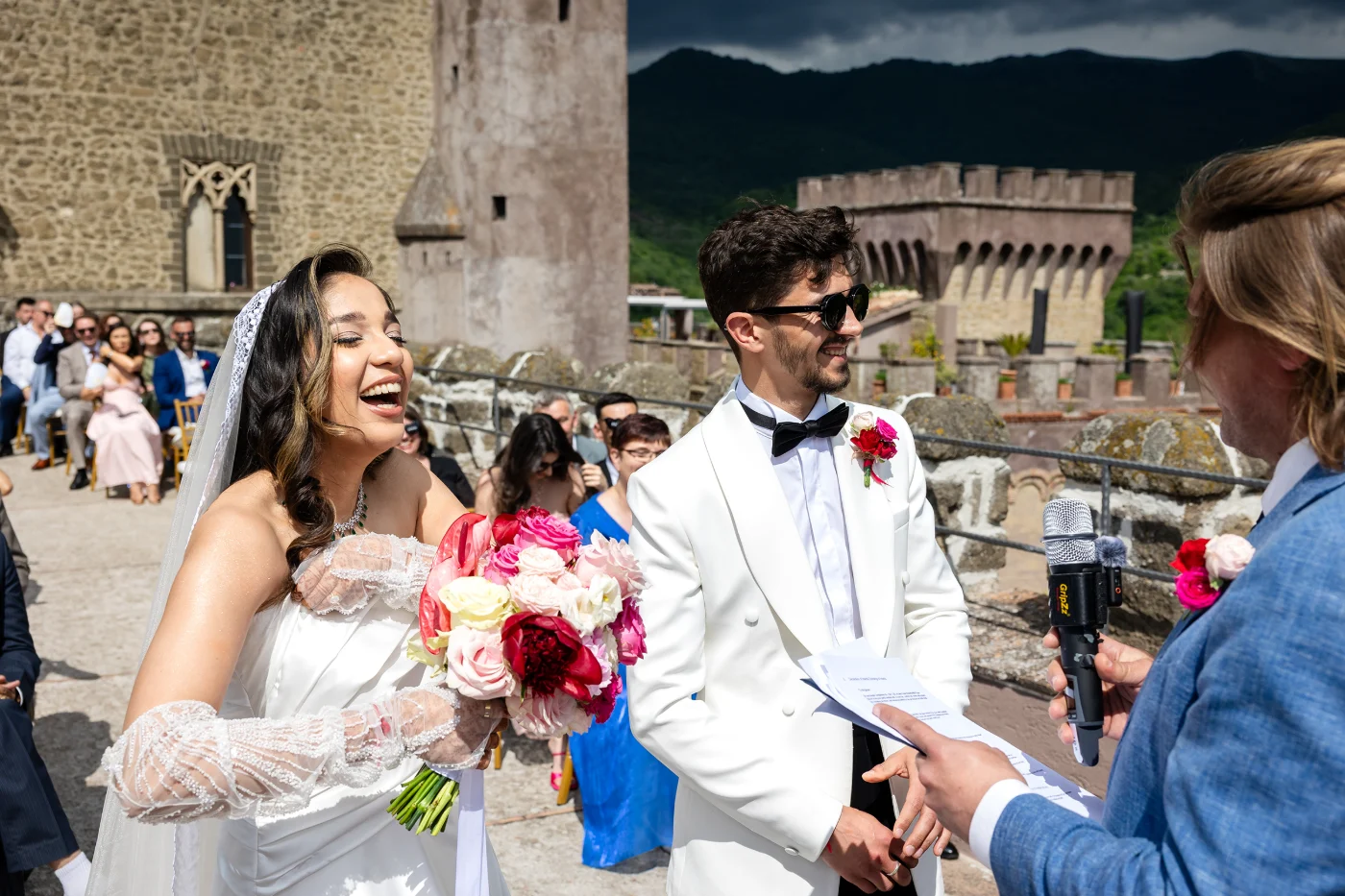
Documentary-style wedding videography means filming your day as it actually happens—without staging, without forced poses, without directing you into moments that aren’t real.
It’s a reportage approach: I observe, I listen, and I capture the day’s genuine emotion as it unfolds, then shape it in the edit into a film that feels true to how the day felt. For me, this isn’t just a technique. It’s the reason I do this work at all.
In this guide
Key takeaways
- Documentary style means no forced posing: I film real moments as they happen, rather than staging them for the camera.
- Spontaneity is a creative choice, not a limitation. The unplanned moments are often the ones that matter most.
- Sound design is central to my work. The real audio of your day is as important as the images.
- You don’t lose the big moments. A documentary approach captures the formal moments and the honest ones in between.
What is documentary-style wedding videography?
Documentary-style wedding videography is an approach that prioritizes real, unscripted moments over staged or heavily directed footage. Instead of positioning couples and guests to recreate emotions for the camera, a documentary filmmaker observes the day as it genuinely unfolds and captures it in a reportage style, the way a photojournalist might cover an event.
The result is a film that reflects what actually happened: the real laughter, the real tears, the small unguarded moments that a more staged approach would miss entirely. It’s less about creating a polished performance and more about preserving the truth of a day you’ll want to remember exactly as it was.
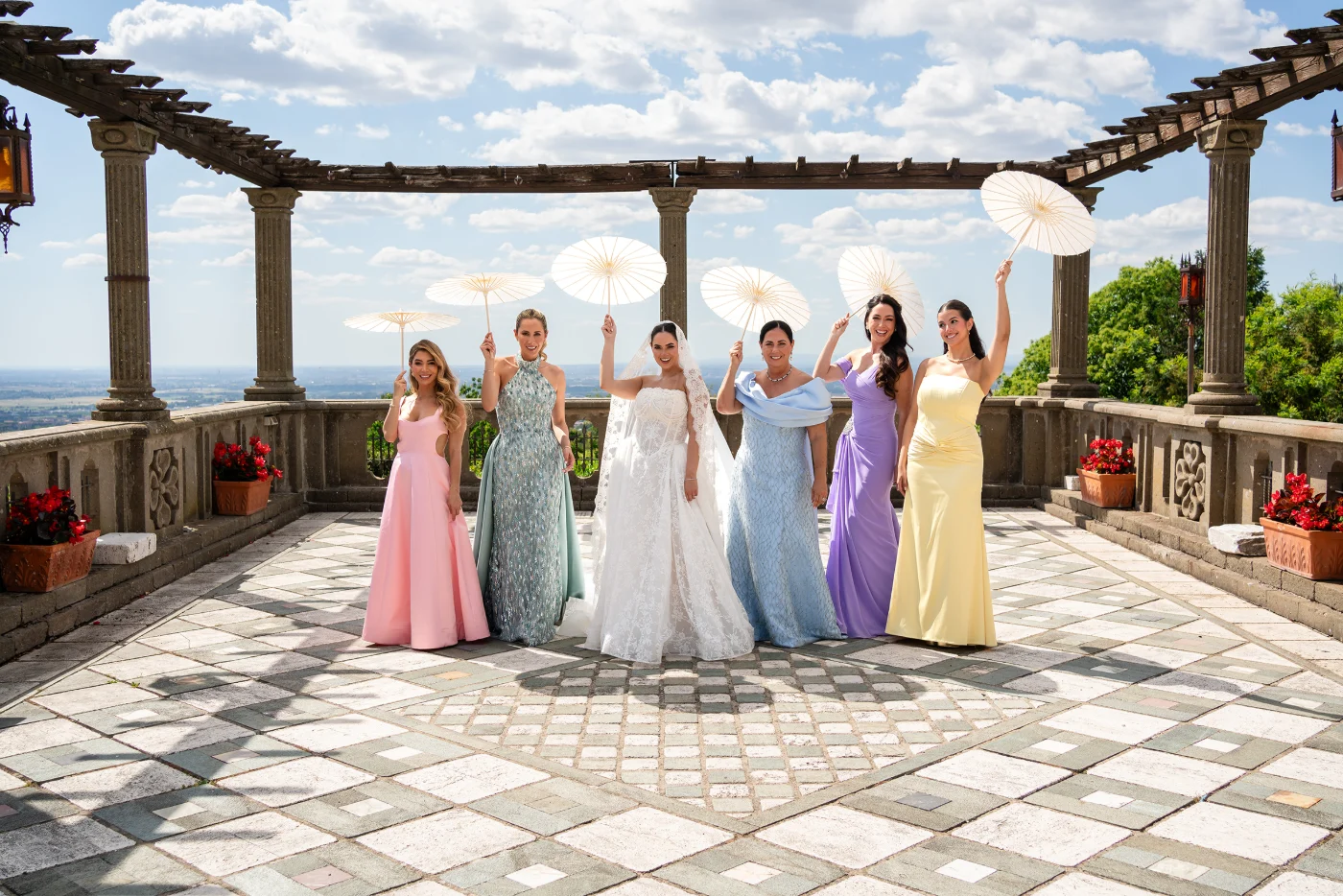
Why I choose reportage over staged moments
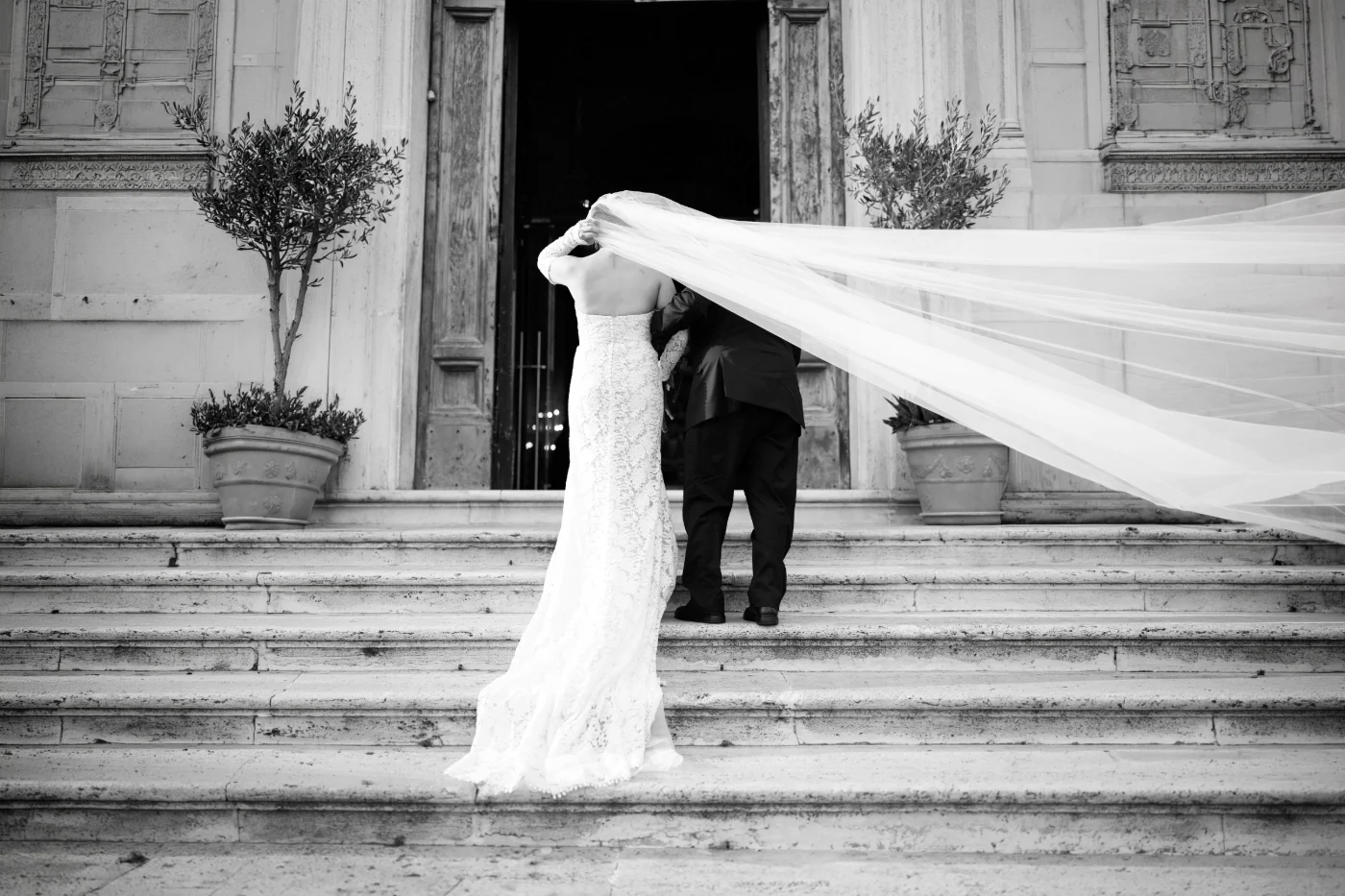
I film this way because I believe the most powerful moments at a wedding are the ones nobody planned. When you ask a couple to pose, to walk back and forth, to “look at each other and laugh,” you get an image, but you lose the truth of it. What you’re left with is a record of a performance, not a memory of a day.
Reportage lets me capture something more honest. It asks more of me as a filmmaker because I have to anticipate, to stay alert, to be in the right place before a moment happens rather than after, but the payoff is a film that feels alive. My goal is to make you comfortable enough that you forget I’m there, so that what ends up on screen is simply you.
Spontaneity as a creative principle
Spontaneity isn’t the absence of craft: it’s a creative principle I build my whole approach around. When I’m not stopping the day to stage a shot, the day keeps its natural rhythm, and that rhythm is what makes a film feel true. A glance between a couple during a speech, a burst of unexpected laughter, an emotion that catches someone off guard: these are the moments I’m always watching for, and they only exist if you’re not directing them into being.
This doesn’t mean I’m passive. When it helps, I’ll guide you naturally, especially in the moments when it’s easy to feel awkward in front of a camera. But the guidance is light, and it always serves the goal of letting the real day breathe.
The role of sound design in telling a true story
Sound is half of every film I make, and it’s the element I care about most deeply. A wedding film without real, considered audio is only telling half the story. The images show you what the day looked like; the sound is what makes you feel like you’re back inside it.
In practice, this means I treat the audio of your day as carefully as the visuals. The ambient life of a location (like the sound of water, of a city street, of an old car on a coastal road, of wind moving through a garden), becomes part of the film’s texture rather than something to be scrubbed away. The vows, spoken in the moment and captured cleanly, carry more weight than any voiceover could. And the way these sounds are layered in the edit, moment by moment, is what gives a film its emotional depth.
This is the part of my work that’s hardest to see in a still frame and impossible to fake. It’s also the part that, years later, makes people say a film brought the whole day rushing back.
What this style looks like in practice
The best way to understand this approach is to see how it plays out in real weddings, where the unplanned moments became the heart of the film.
For Sara and Max, the wedding day arrived with rain. It wasn’t in anyone’s plan—but rather than something to work around, it became part of the story.
The preparations that morning had the quality of real cinema: conversations with bridesmaids, moments of good-natured panic, family gathered in one space and charged with emotion. None of it was staged, and that’s exactly why it worked. The spontaneity of that day is what made the film theirs and no one else’s.
For Emanuel and Greta, the story lived in the sound. Their film opens quietly, built from the authentic audio of the Amalfi Coast—the water, the landscape, the engine of an old Alfa Romeo on the coastal road. That soundscape wasn’t music layered over the footage; it was the real texture of their day, and it’s what anchors the film in a specific place and moment. The result earned recognition for both its editing and its sound design, but more importantly, it feels true to how their day actually sounded.
In both cases, the moments that define the film are the ones that couldn’t have been planned. That’s not a coincidence: it’s the whole point.
Is documentary style right for your wedding?
Documentary style is the right fit if you want a film that feels like your actual day rather than a staged version of it, if you’d rather be present at your wedding than spend it performing for a camera. It suits couples who value authenticity, who trust a filmmaker to capture the real emotion of the day, and who want to look back in ten years and recognize themselves exactly as they were.
If you love a highly stylized, heavily directed film with elaborate staged sequences, that’s a valid approach too, and while spontaneity is where I feel most at home, I’m always happy to guide you through posed moments when that’s the film you’re after. If you’re weighing the two, it’s worth understanding how they genuinely differ before you decide.
If the idea of a film that simply tells the truth of your day resonates with you, take a look at my films to see how this approach feels in practice, or discover more about how I work.
Frequently asked questions
What’s the difference between documentary and cinematic wedding videography?
Documentary videography focuses on capturing real, unscripted moments as they happen, in a reportage style. Cinematic videography tends to involve more staging, direction, and stylized visual techniques to create a polished, film-like aesthetic. The two aren’t mutually exclusive (many films blend elements of both), but they start from different philosophies about whether to capture the day or to shape it.
Will a documentary-style video miss important formal moments?
No. A documentary approach captures all the key moments of your day alongside the spontaneous ones in between. The difference isn’t what gets filmed; it’s that nothing is artificially recreated or forced. You get the formal moments and the honest, unguarded ones.
Can documentary style be combined with some posed shots?
Yes. While the heart of a documentary approach is spontaneity, it can absolutely include a short couple session with light, natural guidance. The aim is always to keep things feeling relaxed and authentic rather than stiff, so even those moments reflect who you really are.
How long is a typical documentary-style wedding film?
Length varies depending on the coverage and the story of the day, but wedding films generally range from a short highlight film of a few minutes to a longer feature that includes more of the ceremony and speeches. The right length depends on what you want to relive, something we can talk through together.